Komodo Dragon Island : Nature’s Untamed Masterpiece Of Biodiversity
Komodo Dragon Island is part of the Komodo National Park in Indonesia. It has an incredible ecosystem with many different plants and animals.
This UNESCO World Heritage Site is famous for its famous Komodo dragons and rich sea life. It’s a place that appeals to people who love nature and those who study it.
Terrestrial Ecosystem in Komodo Dragon Island
The Komodo Dragon: King of the Island
The Komodo dragon (Varanus komodoensis) is the largest living lizard. It can grow to be 3 meters long and weigh up to 150 kilograms. This type of lizard is only found on the islands of Komodo, Rinca, Flores, Gili Dasami, and Gili Motang in Indonesia. They like to live in savanna and tropical forest.

Instagram.com @komodoisland
Komodo dragons are known for being very quiet and strong. They use their venomous bite and bacteria-laden saliva to stop their prey, which includes deer, buffalo, and smaller animals. Komodo dragons that are still young live in trees so that they won’t be eaten by the adults that hunt there.
These reptiles live alone, except during the feeding and mating seasons. Komodo dragons can live for up to 30 years in the wild, but they are in danger of disappearing because of loss of habitat and climate change. Because of these threats, the Komodo dragon is considered an endangered species.
Other Terrestrial Fauna
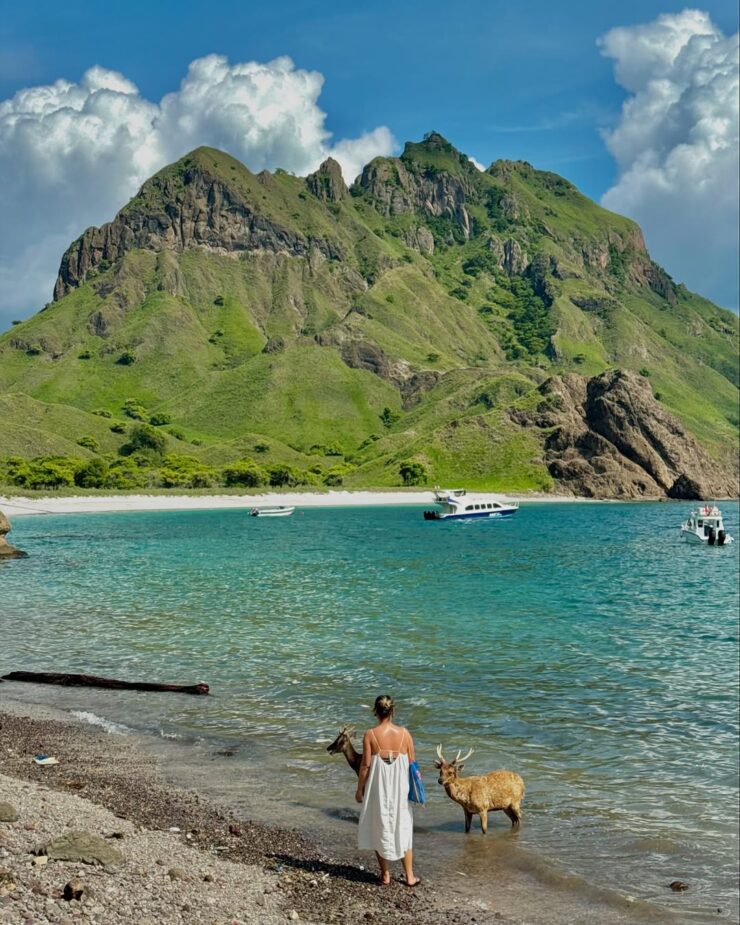
Komodo Dragon Island is home to many different types of animals. These include the famous Komodo dragons, as well as Timor deer, wild boar, buffalo, crab-eating macaques, coconut civets, and fruit bats. Most of these animals are native to Asia.
There are also many birds on the island, such as the orange-footed scrub bird and the yellow-crested cockatoo. There are many reptiles, too, including the Russell’s rattlesnake, Java cobra, Timor python, and blue-lipped sea krait.
Then, amphibians include the only kind of frog found on the island, the Komodo cross frog. This Komodo Dragon Island is important for the environment because of all the different types of animals that live there.
Instagram.com @miyarabbitlife
Flora in Komodo Dragon Island
Most of the plants on Komodo Dragon Island are grasslands. This grassland covers about 70% of the island because the weather is hot and dry. This ecosystem is home to Komodo dragons and other wildlife.
At higher elevations, cloud forests grow, and they are home to species that only live there, like Podocarpus neriifolius and Ficus drupacea. Later, coastal mangroves thrive in sheltered bays. One example of a tree that lives in these areas is Rhizophora stylosa.
Deciduous forests grow in valleys and low areas, adapting to the dry environment. These diverse habitats are important because they support unique plants and animals, but they are also at risk.
Furthermore, they are at risk from invasive species and from human activities that are destroying their habitat. It is very important to protect these environments.
Marine Ecosystem
The waters around Komodo Dragon Island are full of colorful sea life. It’s a paradise for people who love biodiversity and underwater exploration.
Instagram.com @sontungst
READ ALSO: All You Need To Know About Manta Point Labuan Bajo
Coral Reefs
Komodo National Park is in Indonesia’s Coral Triangle. It has some of the richest sea life on Earth. The northeast coast has many types of coral, including 260 species of reef-building corals.
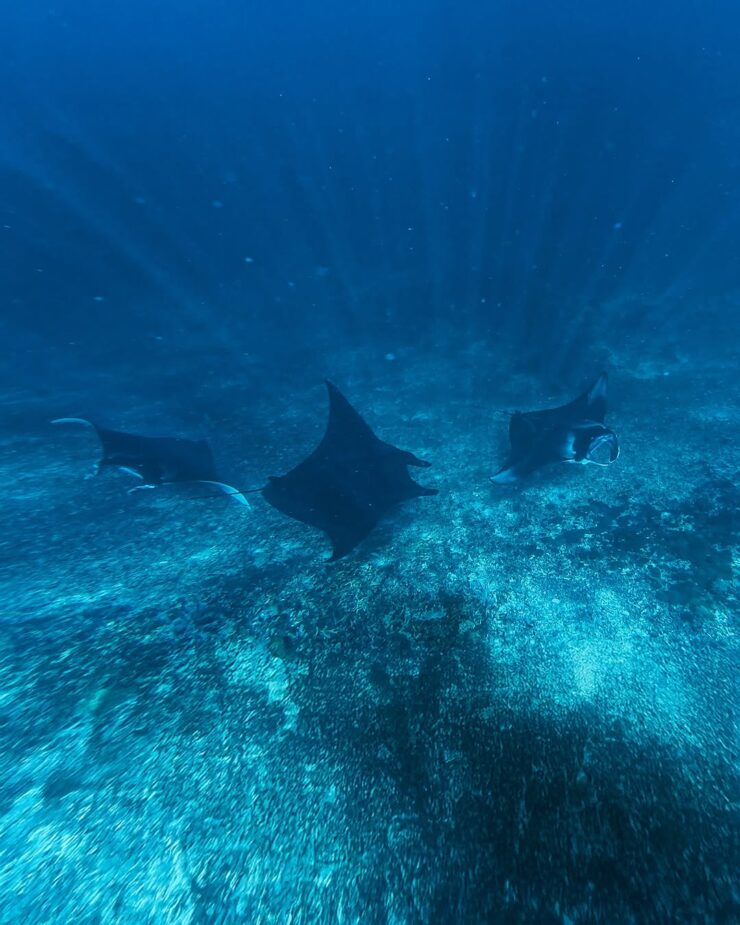
These ecosystems are very diverse. They support many different types of marine life, including tropical fish, sharks, manta rays, and endangered species such as dugongs. Visitors can enjoy this amazing underwater paradise.
Marine Fauna
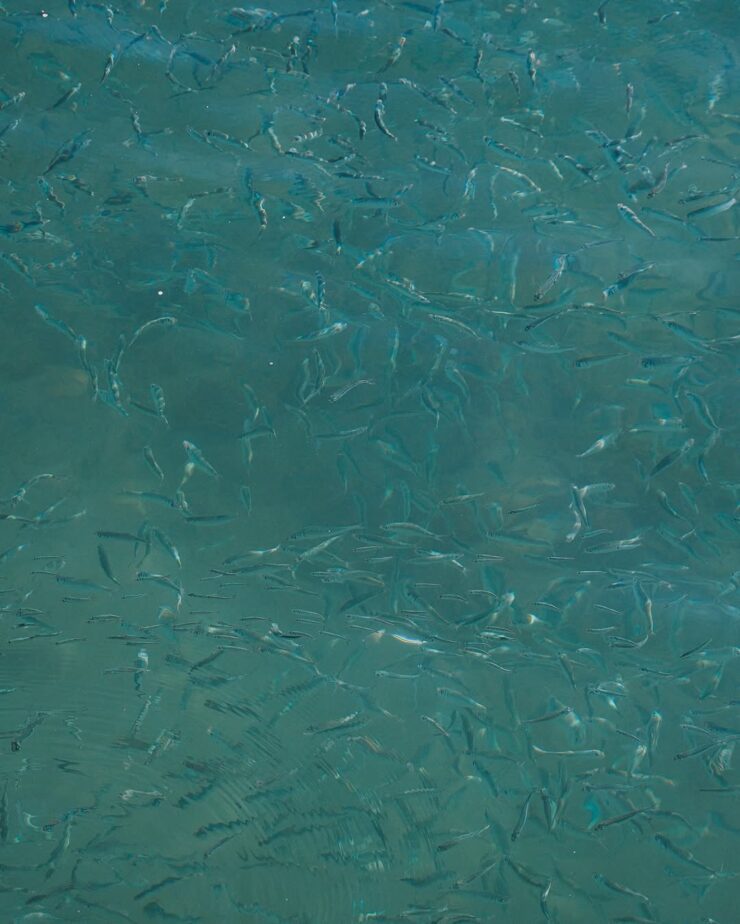
Komodo Dragon Island’s marine ecosystem is home to a wide variety of sea life. There are more than 1,000 species of tropical fish, including Napoleon wrasse and grouper, that live in its colorful coral reefs. There are also 260 species of corals that build reefs.
These waters are also home to seven species of sharks, such as hammerheads and gray reef sharks. The area is also home to rare and endangered species such as dolphins, sperm whales, blue whales, and dugongs. Creatures like whale sharks, sunfish, manta rays, eagle rays, and sea turtles also live in this area.
The Coral Triangle is one of the richest areas of marine biodiversity in the world. Komodo’s underwater landscape is unique, with mangroves, seagrass beds, and coral gardens.
Komodo Dragon Island is a popular destination for divers and snorkelers from all over the world. It is also important for UNESCO World Heritage status and conservation efforts.
Instagram.com @sontungst
Conservation Challenges and Efforts
Komodo Dragon Island’s ecosystem is unique, and it faces several challenges. This is mainly because it is a closed ecosystem that has evolved in isolation over millions of years. New species, human activity, or disease can quickly and severely disrupt the balance of this ecosystem.
Climate Change Threat
Climate change is a big threat to the Komodo dragon, the world’s largest lizard. Rising temperatures and sea levels could reduce their habitat by 71% within 45 years. This could put them in danger.
We need to work together to protect these dragons and their habitat. This includes restoring their habitat and getting the local communities involved.
Tourism Impact
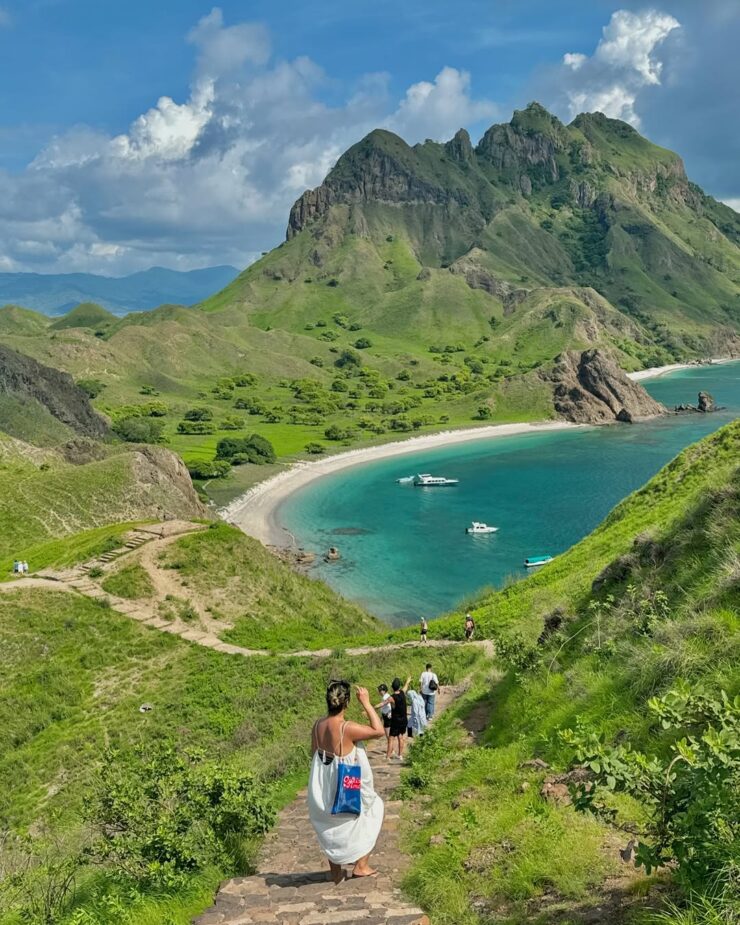
Tourism in Indonesia is good for the economy because it creates jobs and brings in money from outside the country. However, tourism can also be bad for the environment, especially along coastlines and in small islands.
Unsustainable practices use up natural resources and cause pollution. To balance economic benefits with conservation, the government must intervene with sustainable policies and get the community involved.
Instagram.com @miyarabbitlife
Conservation Initiatives
Komodo’s conservation initiatives focus on preserving its unique biodiversity and iconic Komodo dragons. Strict law enforcement measures have reduced illegal activities such as poaching and resource exploitation. The local park rangers, the Indonesian navy and the police have been involved.
The island’s designation as a UNESCO World Heritage Site in 1991 attracted worldwide attention and funding for conservation. Later, research and monitoring programs provided important insights into ecosystem dynamics to guide sustainable management strategies.
Community involvement is also key to balancing tourism development and environmental protection. The initiative aims to protect Komodo’s fragile ecosystem while supporting local livelihoods and sustainable tourism.
A Global Treasure at Risk and a Call to Action
Komodo Dragon Island is more than just a tourist destination. It is a living example of evolution and biodiversity. It is home to the famous Komodo dragons and a diverse marine ecosystem.
Unfortunately, this beautiful place is in danger because of climate change and people’s actions. Protecting Komodo Dragon Island is important not just for Indonesia, but for the whole world.
When you visit Komodo Dragon Island, you can help protect this amazing place and ensure it remains a vibrant, thriving ecosystem for many years to come.
Shoot us a message, we will reply it right away.
to find your perfect trip.